Consistent AI Product Photography for E-commerce
LUNA Team · 2026-03-17 · 3 min read
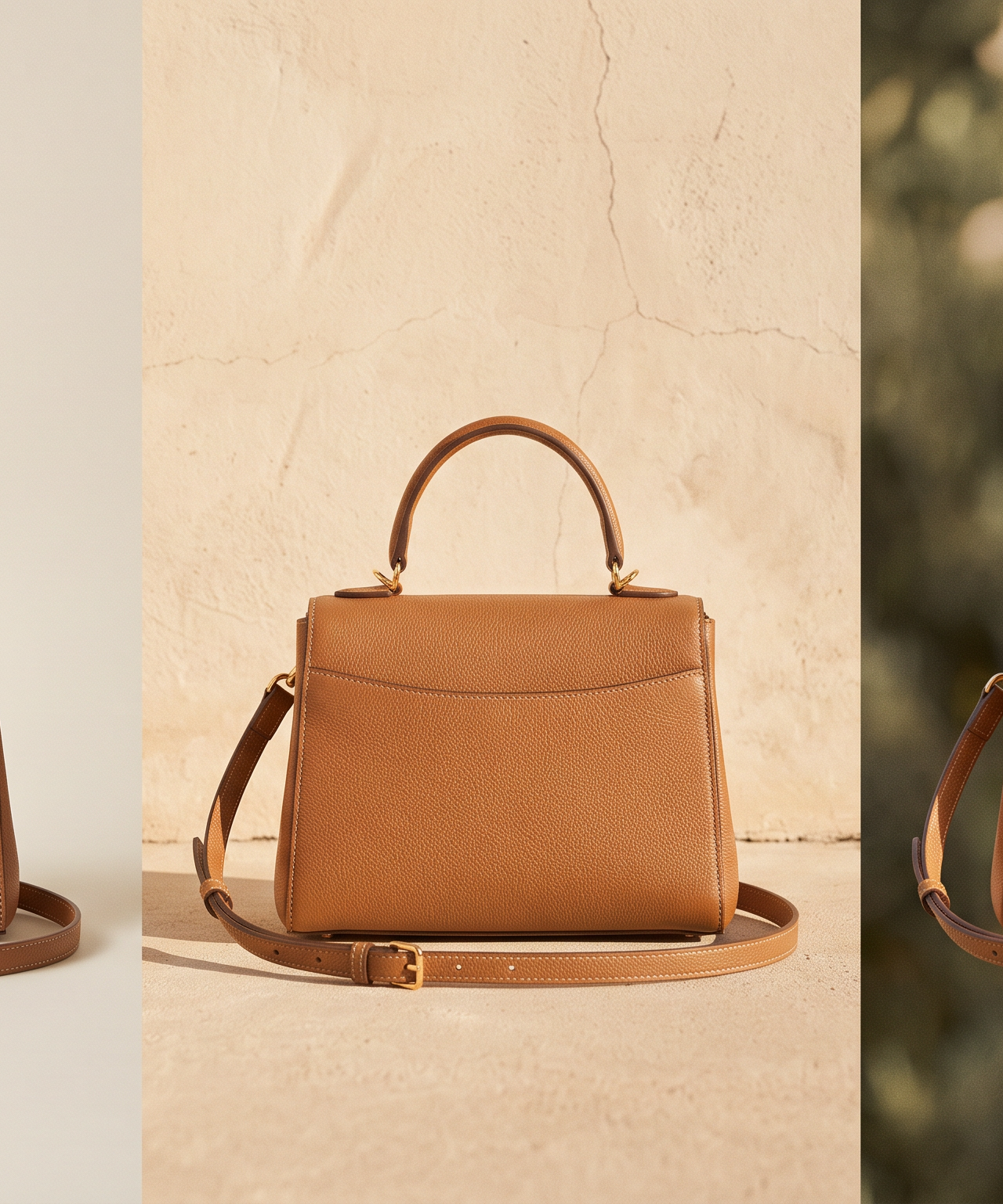
Maintaining brand consistency across hundreds of product photos is a logistical nightmare. Traditional photoshoots require coordinating models, renting studio space, and managing complex lighting setups. If a product update occurs or a new seasonal campaign launches, the entire expensive process starts over.
Brands often try standard generative tools to speed up production but find the results disappointing. The generated products look slightly off, and maintaining the exact identity of the item is nearly impossible.
This is where a dedicated approach to visual production becomes necessary. LUNA is an AI-powered creative studio that replaces traditional photoshoots. It provides the control needed to maintain absolute consistency across all your e-commerce assets.
The Challenge of Multi-Subject Consistency
When building an e-commerce catalog, your product must look identical from the homepage banner to the individual product page. Standard outpainting tools often fail here. They hallucinate details, blur edges, and lose the original texture of the item.
Consumers notice these inconsistencies immediately. A shirt that looks slightly different in two separate photos creates hesitation and lowers conversion rates. You need a system that understands the exact physical properties of your product and preserves them in any environment.
Reference-Based Identity Preservation
To solve the consistency problem, you need reference-based identity. This means the system uses your original product image as a strict baseline. It does not guess what the product looks like; it knows exactly what it is.
By establishing a perpetual character or object, you can place the same item in countless new scenarios. Whether you need a summer lifestyle shot or a clean white background for a marketplace listing, the product itself remains mathematically precise. For a deeper dive into this technology, you can explore our reference-based identity guide.
Scaling E-commerce Photography
Scaling your visual assets requires more than just generating images. It requires creative direction and workspace collaboration. Teams need to define a specific aesthetic and apply it universally across the entire product line.
With tools like the World Canvas, art directors can place any subject in any environment without losing resolution. This high-res outpainting ensures that banners and social media posts retain professional studio quality. You can read more about building these environments in our World Canvas guide.
You also need a systematic way to manage these aesthetics. By utilizing shared kits, marketing teams can ensure that every generated image adheres to the brand guidelines. This level of control is what makes AI a viable replacement for the traditional studio.
Comparing Approaches
Standard image generators operate on probability, which leads to variation. They are built for inspiration, not production.
A specialized creative studio operates on precision. It isolates the subject, understands the lighting context, and applies the new environment seamlessly. This is the difference between a novelty tool and a production-grade workflow. For more on this distinction, see our comparison on LUNA vs traditional photography.
Frequently Asked Questions
Can I maintain the exact fabric texture of my clothing line?
Yes, reference-based systems preserve the original pixel data of your product while adapting the lighting to fit the new environment.
How does this affect seasonal campaign planning?
You no longer need to schedule new photoshoots for every season. You can use your existing product references and place them in new seasonal contexts on demand.
Can multiple team members collaborate on the same campaign?
Yes, workspace collaboration allows your entire marketing and design team to review, edit, and approve assets in real time.
If you are ready to scale your e-commerce visuals, you can try LUNA at useluna.app.