How to Replace Traditional Ecommerce Photography with AI
LUNA Team · 2026-04-12 · 4 min read
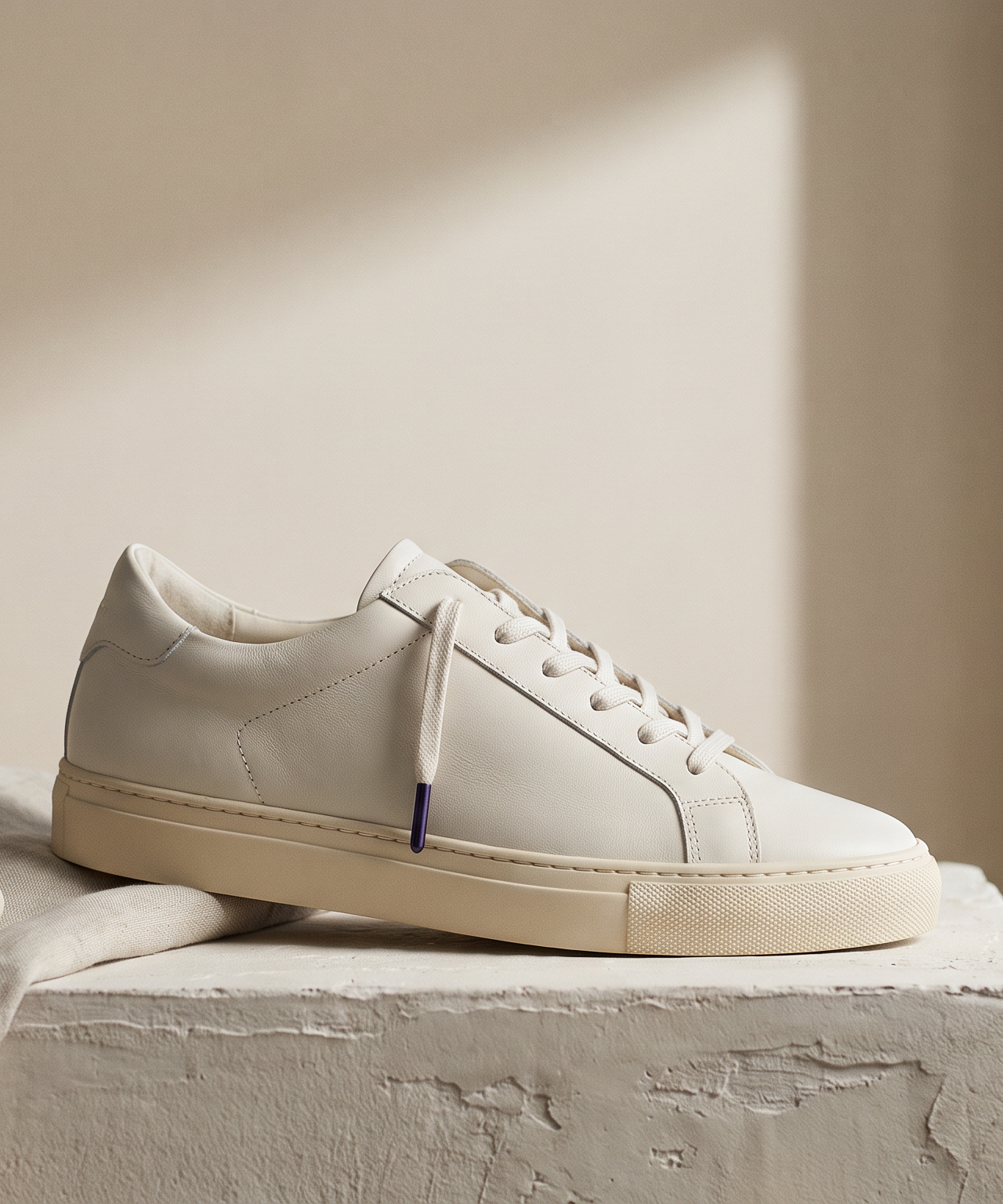
For years, creating visual content for an online store meant navigating a logistical labyrinth. Between booking studios, coordinating schedules, hiring models, and managing shipping logistics for physical products, the production cycle was exhausting. Even after weeks of waiting and thousands of dollars spent, you were often locked into the specific shots captured on that single day. If a campaign direction changed or a new seasonal trend emerged, you had to start the entire process over. Today, forward-thinking brands have found a better way to operate. They choose to replace traditional ecommerce photography with AI, unlocking a faster and far more flexible approach to visual storytelling.
The Hidden Costs of Conventional Photoshoots
Understanding the need for innovation requires looking at the limitations of standard studio work. Industry reports suggest that producing high-quality imagery the old-fashioned way typically costs anywhere from $25 to $150 per final photo. For a catalog of five hundred products requiring multiple angles and lifestyle contexts, the budget can easily soar past six figures.
Beyond the financial burden, time is a critical lost resource. From initial concept boards to final retouching, a standard shoot takes weeks. In a retail landscape where trends shift rapidly, waiting a month for visuals means missing market opportunities. Furthermore, conventional photography is inherently rigid. Once the set is dismantled, altering the mood or lighting of an image is incredibly difficult.
Why Brands Replace Traditional Ecommerce Photography with AI
The transition to artificial intelligence is not just about cutting costs. It is about removing the physical barriers to creativity. When you replace traditional ecommerce photography with AI, you shift from a linear production model to a dynamic creative engine.
Unmatched Visual Scalability Scaling content traditionally means scaling your budget linearly. With artificial intelligence, you can generate hundreds of diverse lifestyle variations from a single reference. Whether you need an outdoor summer setting for social channels or a crisp studio white background for marketplaces, the output scales without requiring new physical setups.
Radical Cost Efficiency By eliminating studio rentals, travel expenses, and extensive post-production retouching hours, brands are seeing dramatic budget reductions. Organizations generally report production savings of up to 96 percent when shifting to automated visual workflows. This allows marketing teams to reallocate funds toward media spend and growth strategies instead of overhead.
Instant Creative Flexibility Imagine shooting a winter coat campaign in the middle of July without leaving your desk. Artificial intelligence allows you to adjust lighting, seasons, and geographic locations instantly. If a specific marketing angle is not performing well, your team can generate completely new lifestyle contexts on the same day.
Building Your Visual Generation Strategy
Transitioning to this new workflow requires a strategic approach rather than a simple software swap. The most successful implementations follow a structured methodology.
First, you must establish clear visual guidelines. Artificial intelligence thrives on specific instructions. Documenting your preferred color palettes, lighting styles, and target audience aesthetics ensures that every generated output feels cohesive.
Next, focus on quality inputs. The final result is highly dependent on the initial reference material. Clean, well-lit baseline product shots yield the most authentic and appealing lifestyle images.
Finally, prioritize rapid iteration. Generate multiple variations for a single product and test them across different marketing channels. The low cost of creation means you can easily run A/B tests to discover which visual styles resonate most powerfully with your target demographic.
Frequently Asked Questions
Will generated visuals look authentic to my customers? Yes. Modern technology excels at creating realistic textures, natural lighting, and authentic shadows. By defining strong brand parameters, the resulting imagery easily matches the quality of top-tier commercial studios.
Do I need technical expertise to manage this process? No advanced technical background is required. The focus is on creative direction and brand alignment rather than complex software engineering. If you can describe your vision clearly, you can produce stunning assets.
Can this handle my entire product catalog? Absolutely. One of the primary advantages of this approach is the ability to process thousands of items systematically, ensuring total consistency across massive inventories.
The era of slow content creation is over. Brands that adapt will capture attention faster and scale more efficiently. If you are ready to modernize your workflow and replace traditional ecommerce photography with AI, it is time to explore the next generation of creative tools. Start scaling your visual content effortlessly today by visiting useluna.app.