How E-commerce Brands Use Product Photography Automation to Scale
LUNA Team · 2026-03-18 · 3 min read
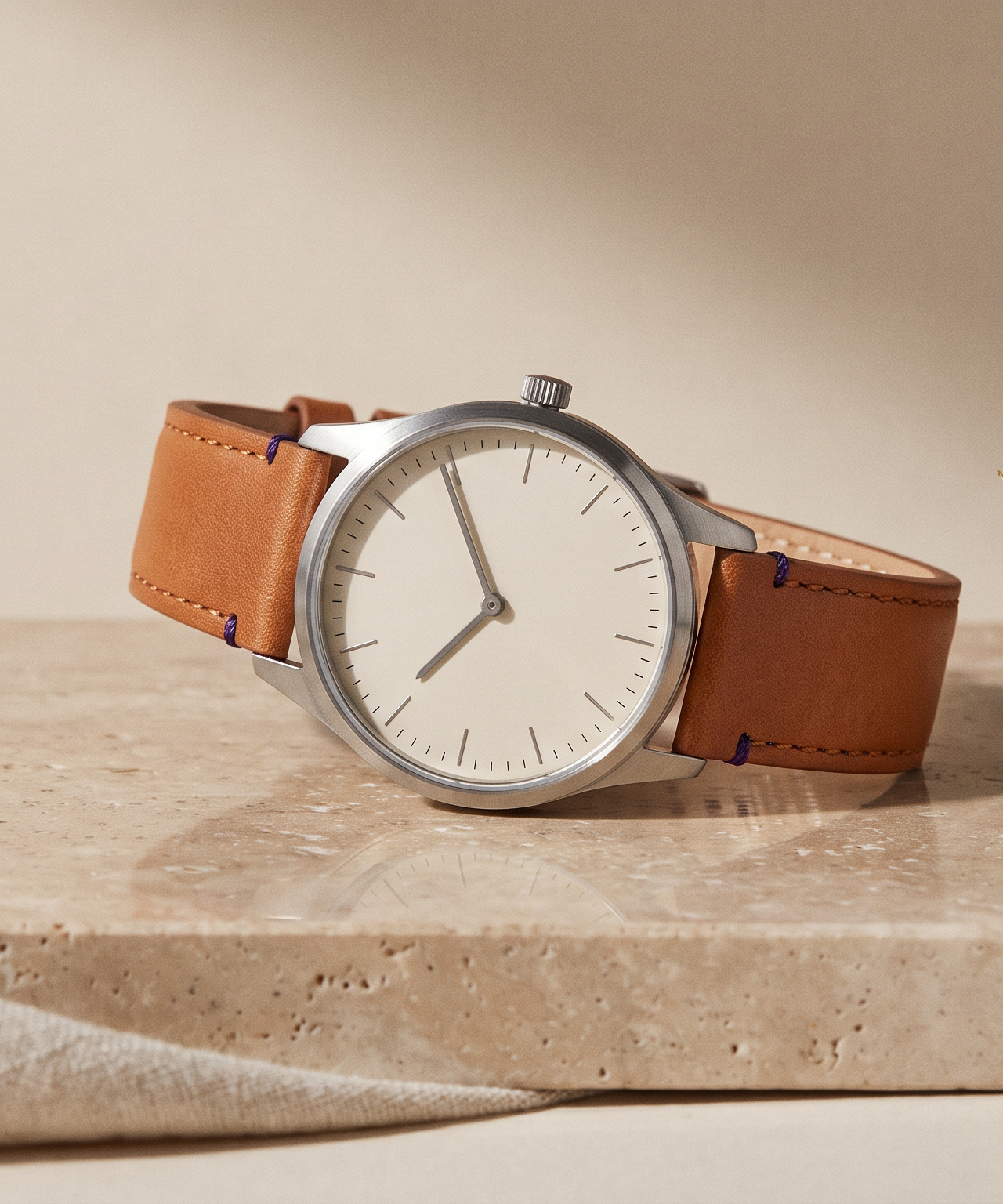
The demands on modern e-commerce brands are higher than ever before. Consumers expect fresh, high-quality visuals across every digital touchpoint, from targeted social media ads to optimized product pages. Meeting this demand using traditional methods requires massive budgets and complex logistics. Every new product release means another round of booking photographers, securing studios, and waiting for post-production edits to arrive.
This bottleneck is why leading brands are turning to e-commerce product photography automation. By integrating AI-powered creative studios into their workflows, marketing teams can generate unlimited visual assets without the traditional overhead. This shift allows brands to remain agile, launching campaigns faster and adapting to market trends in real time.
Scale Visual Content on Demand
A primary challenge for any growing brand is maintaining content velocity. When seasonal changes or sudden viral moments occur, you need fresh imagery immediately. E-commerce product photography automation solves this by allowing your team to generate new assets on demand. Instead of organizing a physical shoot, you simply place your digital product into a new environment.
LUNA provides an AI-powered creative studio that replaces traditional photoshoots entirely. By utilizing reference-based identity technology, the platform ensures your core product retains its exact geometry, textures, and details across all generated scenes. This means you can create a snow-covered holiday scene one day and a bright summer lifestyle shot the next, all using the exact same product reference. This capability empowers your marketing team to scale their output exponentially.
Eliminate Production Bottlenecks
Traditional photography is inherently slow. The process involves pre-production planning, the shoot itself, and weeks of retouching. If an image doesn't perfectly align with the creative vision, the entire cycle often has to be repeated. E-commerce product photography automation removes these rigid barriers, introducing a fluid, iterative process.
With tools like Workspace collaboration and the World Canvas, LUNA enables real-time creative direction. Multiple stakeholders can adjust lighting, swap out backgrounds, and refine the composition instantly. There is no waiting for a retoucher to return a new draft. This streamlined approach means your brand can go from concept to live campaign in a matter of hours, rather than weeks, giving you a critical competitive advantage.
Maintain Perfect Brand Consistency
One of the biggest concerns when automating visual production is losing the specific look and feel of the physical product. Many generic AI image generators distort product details, making the resulting images useless for commercial applications. Effective e-commerce product photography automation must prioritize accuracy above all else.
LUNA is specifically designed to handle the exacting standards of commercial photography. Because the system strictly adheres to the reference images provided, the final output is a seamless, photorealistic integration of your actual product into a synthetic environment. Whether you are generating isolated catalog shots or expansive editorial lifestyle images, your brand guidelines are preserved. Furthermore, the use of custom kits allows your team to save preferred aesthetic settings, ensuring that every piece of content remains perfectly on brand.
Frequently Asked Questions
Does product photography automation require technical skills? No, modern platforms like LUNA are designed for marketing teams and creative directors, featuring intuitive interfaces that do not require specialized technical knowledge.
Can automation completely replace a professional product photoshoot? Yes, LUNA generates photorealistic images that strictly maintain your product details, making it a complete replacement for traditional physical photoshoots.
How does the AI maintain the accuracy of my product? LUNA uses reference-based identity technology to capture and preserve the exact geometry, textures, and specific details of your original product reference.
To start scaling your brand's visual content, visit useluna.app.